
Climate Control or Conventional Storage
How to Book a Mover

Use our moving weight calculator to estimate your shipment’s total weight. This helps you avoid low-cost estimates, choosing the wrong truck size, or running into weight limits on moving day.
Moving Calculator
Local moving and packing services are usually billed by the hour, so the total time on-site directly affects your cost. Handling small tasks yourself, such as packing boxes or taking furniture apart, can shorten the crew’s on-site time and lower your final bill.
How to Save When Paying by the Hour
How much you tip movers depends on the service level and how demanding the job is. The size of your move and the amount of furniture affect how much time and effort the crew puts in.
How Much to Tip Movers
Choosing a moving company can be hard when many options are available. This guide explains what to compare between moving companies and how to choose the right one for your move.
How to Compare Moving Companies
Damage can happen during a move, even when items are handled with care. This guide explains how to file a moving claim so you can report damaged or missing items correctly and avoid delays.
How to File a Moving Claim
You can find moving companies in the Yellow Pages, online listings, and on sites like Craigslist. These platforms make searching easy, but they do not verify businesses' legitimacy. Anyone can post an ad, including unlicensed or uninsured operators. This makes it hard to know which companies are legitimate and which could put your belongings at risk.
Movers from Craigslist
Choosing Between Climate Controlled and Conventional Units
You open the unit months later and spot damage that never appeared during packing. Wood shelves twist out of the square. Clothes carry a damp smell that washing never removes. Important papers cling together. The edges tear when you pull them apart. This kind of damage forms quietly and stays permanent.
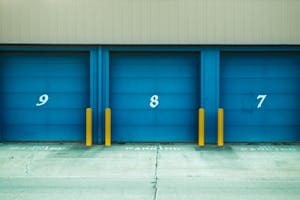
Most storage units function like outdoor structures. They follow daily heat swings, seasonal cold, and regional humidity with little resistance. Unless a unit controls temperature and moisture, the interior matches outside conditions. Heat accelerates the breakdown of plastics, leather, and surface finishes. Humidity feeds mold, rust, and paper decay, even when items remain untouched.
This guide helps you choose between climate-controlled and conventional storage. The real decision balances environmental exposure against convenience and monthly cost. Unit size, discounts, and drive-up access matter far less than the risk of long-term damage. When damage cannot be repaired or cleaned away, prevention becomes the only practical option.
Two Storage Environments
To choose the right protection, you must first understand the engineering behind each unit type. This section explains how these environments differ in construction and performance.
Conventional Storage: The Outdoor Garage Model
• Structural Composition: These units use 26-gauge corrugated steel walls and uninsulated roll-up doors with no thermal break from the elements.
• Atmospheric Tracking: Without a weather-sealed envelope, the interior temperature follows the local dew point, which often causes condensation on the underside of the roof deck.
• Environmental Exposure: This setup functions like a detached shed. The concrete slab floor remains porous, allowing ground moisture to rise through capillary action into stored items. Portable storage containers share similar exposure risks because thin steel walls track outdoor dew point without mechanical moisture removal.
Climate-Controlled Storage: What It Regulates
• Mechanical Regulation: Climate-controlled storage relies on HVAC systems to maintain a stable temperature range, typically 55°F to 85°F, even during extreme outdoor conditions.
• Humidity Management: These facilities use industrial dehumidifiers or air-conditioning systems with reheat coils to maintain relative humidity below 50%. This level limits mold growth, including Aspergillus and Cladosporium.
• Barrier Protection: These units are located within finished buildings with insulated walls rated by R-value and enclosed hallways. This design limits the entry of dust, pollen, and other outdoor particles.
In multi-tenant storage buildings, humidity is usually controlled at the zone level rather than the unit level. End-cap units, top-floor units, and units near loading bays experience greater moisture swings due to thermal bridging and frequent door use. Most facilities do not disclose this unless you ask directly.
Temperature Control vs. Climate Control (Critical Distinction)
• Heated-only units are common in northern climates. These systems prevent freezing but do not cool the space or remove moisture during humid summer months.
• Cooling-only systems work like basic swamp coolers or air conditioners. Many lack dedicated humidistats, which can keep spaces cool and damp, allowing mildew to grow.
• Verification step: Ask the facility manager whether the site uses a Building Automation System (BAS) to monitor relative humidity levels. Temperature control alone does not protect organic fibers or adhesives.
Mitigation techniques in standard units can slow damage, but they cannot replace mechanical humidity control.
What Climate Control Does Not Guarantee
• Pre-existing Conditions: A climate-controlled room won’t fix damaged items. If you store a damp sofa or a lawnmower with fuel in it, the moisture and fumes remain trapped in your unit.
• Airflow Requirements: If you pack items tightly against the walls, the HVAC system cannot circulate air. When you pack a storage unit, airflow gaps matter more than stacking height, especially near exterior walls. This creates small pockets of still, humid air even in a regulated room.
• The Mold Myth: These systems reduce the risk of mold but do not stop it entirely. Mold can still grow if you seal items in plastic wraps that trap moisture inside.
The Real Threat: Humidity and the 50% Rule
The real threat in storage is not high temperature. It is moisture in the air.
Temperature can rise and fall, but steady moisture creates the conditions for slow, microscopic damage. Many homeowners assume a cool unit protects their belongings. Without active moisture removal, cooling raises the risk of condensation and saturation.
• The 50% Relative Humidity threshold marks the accepted safety limit for long-term storage. When indoor air rises above this level, chemical reactions speed up. These include copper oxidation and hydrolysis-induced breakdown of wood glues.
• Mold growth follows the same pattern. Species such as Stachybotrys and Penicillium need consistent moisture to activate. Keeping humidity below 50% keeps surface moisture on furniture and boxes too low for spores to grow.
• The dew point explains why cooling alone fails. The dew point is the temperature at which the air becomes saturated. If steel walls inside a standard unit cool to 55°F while humid air remains inside, moisture condenses into liquid droplets on stored items.
• True climate control depends on mechanical dehumidification. A refrigeration cycle removes moisture from the air and condenses it. Standard units only circulate air. Since they do not remove water vapor, indoor humidity stays tied to outdoor conditions.
Some belongings fail not gradually, but irreversibly, when exposed to uncontrolled humidity and temperature swings. The items below require stable environmental conditions to preserve their structure, chemistry, or function and should never be stored in a conventional storage unit.
| Item Category | Why Conventional Storage Fails | Type of Irreversible Damage |
|---|---|---|
| Musical Instruments | Wood and adhesives respond immediately to humidity and temperature swings | Cracked soundboards, lifted bridges, failed glue joints |
| Photographs and Negatives | Gelatin emulsions soften under humidity and bond on contact | Image fusion, loss of detail, permanent adhesion |
| Paper Documents and Archives | Moist air accelerates acid hydrolysis and ink migration | Brittle pages, ink bleed, complete loss of legibility |
| Consumer Electronics | Condensation forms on cold circuitry during temperature swings | Corrosion, short circuits, latent electronic failure |
| Leather Furniture | Humidity strips natural oils and supports microbial growth | Stiffening, cracking, embedded mold odor |
| Collectibles and Memorabilia | Mixed materials react at different rates to moisture | Delamination, surface corrosion, finish failure |
| Heirlooms and One?of?One Items | No environmental buffer against cumulative exposure | Permanent loss of function, value, or historical integrity |
For many materials, moderate heat without humidity causes less damage than cool, damp conditions. Damage accelerates when temperatures drop while moisture stays high, which increases condensation. When comparing units, prioritize documented humidity control over the advertised temperature range.
Inventory Audit: Categorizing Items by Material Sensitivity
Stop thinking about your inventory by room and start looking at the materials themselves. Your dining table is not just furniture. It is a hygroscopic organic structure that absorbs and releases moisture as humidity changes. Knowing how each material reacts to changes in temperature and humidity helps prevent damage and loss. Below are the inventory types that need a controlled environment.
Wood and Composite Furniture
Wood never stays dormant. It constantly exchanges moisture with the surrounding air to reach equilibrium moisture content (EMC).
• Solid Wood Behavior: High humidity causes wood fibers to swell. Dry air causes them to shrink. This cycle leads to checking, warping, or cupping on flat surfaces such as tabletops.
• Structural Failure: Repeated expansion and contraction stress joinery. Over time, this causes hide glues to fail and mortise-and-tenon joints to loosen.
• Veneers and Composites: Modern Medium-Density Fibreboard (MDF) and particleboard can permanently swell when exposed to high humidity. Drying does not reverse this damage.
• Prep Rule: Store wood items on a vapor barrier, such as a polyethylene sheet. Leave at least 2 inches of clearance between the item and the unit wall to ensure steady airflow.
For storage longer than 90 days, use a climate-controlled unit with humidity kept below 50% for furniture. Solid wood, veneers, and upholstery slowly reach moisture equilibrium. Once frames or padding absorb moisture, drying will not reverse odors, joint failure, or glue breakdown.
Electronics and Appliances
The hazards to electronics during transport or storage extend beyond heat. Rapid temperature fluctuations cause condensation to form on internal components.
• Condensation Cycles: When warm, humid air contacts a cold circuit board, it reaches the dew point and leaves microdroplets. These droplets can cause short circuits or trigger whisker growth on solder joints.
• Corrosion: Galvanic corrosion can degrade copper traces and gold-plated connectors. This damage can render devices such as gaming consoles or AV receivers unusable, even when the exterior appears normal.
• Rubber and Plastics: Heat accelerates plasticizer loss, making gaskets, belts, and seals in appliances such as washing machines and refrigerators brittle and prone to cracking.
• Operational Range: Most consumer electronics operate between 40°F and 113°F. Temperatures outside this range can cause permanent liquid crystal display leakage.
Paper, Photos, Books, and Art
Organic fibers in paper are highly susceptible to acid hydrolysis, a chemical process that breaks fibers down faster when heat and moisture are present.
• Chemical Aging: High temperatures accelerate yellowing in lignin-rich papers, such as newsprint or older paperback books, which can cause them to crumble when handled.
• Image Adhesion: Photographs stored in stacks can undergo ferrotyping when high humidity softens the gelatin emulsion, causing images to fuse permanently.
• Art Mediums: Oil paints on canvas can become brittle in cold temperatures and crack when wooden stretcher bars expand or contract from moisture changes.
• Decision Threshold: Documents printed on thermal paper, such as old receipts, or those using water-soluble inks, require climate control to prevent complete loss of legibility within six months.
• Business Inventory and Records: Climate control is required for business inventory that includes paper records, electronics, textiles, or packaged goods. Cardboard cartons absorb moisture. Labels peel, inks migrate, and electronics corrode over time. For compliance records or resale inventory, environmental damage leads to direct financial loss, not inconvenience.
Clothing, Upholstery, and Textiles
Textiles absorb airborne pollutants and moisture, making them the first surfaces to develop biological growth.
• Odor Binding: Natural fibers like wool and cotton absorb volatile organic compounds and moisture. This absorption creates a lasting musty odor that household detergents often fail to remove.
• Protein-Based Fibers: Silk and wool attract moth larvae and silverfish. These pests thrive in dark, humid spaces with poor air circulation, which are common in standard storage units.
• Leather Integrity: Genuine leather requires a stable environment to preserve its natural oils. When leather loses internal lubricants, it stiffens and later develops deep cracks.
• Mattress Risk: Polyurethane foam inside mattresses traps moisture against metal springs. This moisture causes internal rust and mold growth that cannot be cleaned or repaired.
Media, Instruments, and Collectibles
Precision items require stable environmental conditions because their physical geometry is delicate.
• Magnetic and optical media: High heat can warp the polycarbonate layer in CDs and DVDs, which leads to disc rot. Magnetic tapes such as VHS and cassette tapes can develop sticky-shed syndrome when the binder absorbs moisture.
• Vinyl records: Standard PVC vinyl can deform at temperatures near 100°F. When records sit flat in a hot storage unit, the stack's weight can cause permanent dishing or warping.
• Musical instruments: Stringed instruments such as violins and acoustic guitars rely on precise tension. Changes in humidity can crack the wood or lift the bridge, which often leads to costly luthier repairs.
Items That Typically Tolerate Conventional Storage
Climate control is important for items that are sensitive to heat or moisture, but many inorganic items can be stored under normal conditions without issue. You may wonder whether items stored in your garage can be moved into a non-climate-controlled unit. Items made for outdoor use or built from dense, non-porous materials usually store well in a drive-up unit for short-term or seasonal use.
• Non-Porous Metals and Heavy Equipment: Items made of galvanized steel, cast iron, or aluminum, such as Honda lawnmowers, Craftsman tool sets, and patio furniture, resist temperature swings well.
• Preparation for Mechanicals: Drain all combustible fluids, including gasoline and oil, from small engines to prevent volatile organic compound buildup and fire risk inside an unventilated steel container.
• Rigid Plastics and Recreational Gear: High-density polyethylene products, including Rubbermaid storage bins, kayaks, and hard-shell luggage, handle heat without the plasticizer loss found in softer plastics.
• Moisture Mitigation for Slab Floors: Concrete is porous and pulls moisture upward. Place items on 4x4 pressure-treated wood pallets or a 6-mil polyethylene vapor barrier to block ground moisture from reaching your gear.
• Kitchen and Dining Wares: Stainless steel cookware, ceramic plates, and glass sets handle humidity well when packed with acid-free packing paper. Standard newsprint can trap moisture against surfaces.
• Food and Consumables: Storing food in any storage unit raises pest and moisture risks, even when items appear sealed. Dry goods absorb ambient humidity through packaging seams, which increases mold and insect activity. Climate control limits this risk but does not stop odor transfer or infestation.
Not all materials require the same level of environmental protection. This table compares how key material categories perform under different storage conditions to help you match the right environment to your inventory.
Seasonal Storage: When Standard Units Work
Seasonal items can use conventional storage only during the off-season window:
• Winter gear stored Dec–Feb in cold regions: Lower humidity reduces the risk of mold growth.
• Summer tools stored Jun–Aug in dry climates: Short exposure limits damage.
Avoid standard units during spring and fall. Shoulder seasons create rapid temperature swings that cause condensation cycles, even when average temperatures seem mild.
| Material Type | Safe in Conventional Storage? | Climate Control Required? |
|---|---|---|
| Solid Wood Furniture | No – high risk of warping and joint failure | Yes – stable humidity and temperature essential |
| Electronics | No – condensation can cause corrosion | Yes – requires temperature and humidity regulation |
| Vinyl Records | No – softens and warps above 100°F | Yes – needs heat protection |
| Galvanized Metal Tools | Yes – resists corrosion and temperature shifts | No – durable in outdoor-like conditions |
| Plastic Storage Bins (HDPE) | Yes – high resistance to heat and moisture | No – holds up well in drive-up units |
How Local Climate Changes the Risk Profile
It’s time to drop the idea that all storage units work the same way. A steel storage unit in Texas does not act the same way as one in Washington state. Local weather conditions control what happens inside your unit. Your geographic risk zone is the primary driver of inventory loss.
When evaluating your location, use these environmental thresholds to determine whether conventional storage poses a risk to your items.
• High-Humidity Zones (Gulf Coast & Southeastern U.S.): Areas such as Louisiana and Florida have consistently high ambient vapor pressure, which drives moisture into porous materials. When relative humidity stays above 60 percent, Aspergillus mold can germinate quickly on organic materials such as cotton and unfinished wood.
• High-Volatility Zones (Midwest & Northeast): In states like Illinois and New York, repeated freeze-thaw cycles cause materials to expand and contract. This temperature stress weakens the hide glues used in antique furniture and can cause hairline cracks in instruments such as cellos and acoustic guitars.
• Arid Heat Zones (Southwest Desert): Severe dryness in Nevada and Arizona speeds up plasticizer migration in vinyl and leather. Without humidity buffering, natural oils dry out, leaving leather upholstery brittle and prone to permanent checking or surface cracks.
• The Coastal Salt Rule: If a facility is within five miles of the ocean, salt-laden air accelerates galvanic corrosion on exposed metal. For electronics or appliances with copper circuitry, a climate-controlled building serves as a key gasketed barrier that limits chloride-driven pitting.
A “mild” climate is often cited as a reason to skip the upgrade. Here is the practical rule. If the local night-to-day temperature swing exceeds 30°F, condensation is likely to form on your unit’s ceiling. When the outdoor dew point remains above 55°F for more than three consecutive days, a conventional unit traps moisture, promoting mildew growth. Unless your inventory is strictly non-porous, such as galvanized steel or high-density polyethylene, the local climate usually makes the choice for you.
Storage Duration and Damage Accumulation Limits
Rethink your storage timeline. A move-in date should not control which unit you choose. Time causes more damage than temperature in many storage situations. As you plan your move, the 90-day threshold is critical to protecting stored items.
• Defining the Short-Term Window: Any duration under 90 days counts as short-term, but this window only protects non-porous items such as inorganic plastics or treated metals. Organic materials like cotton or solid oak react much faster. A single week of exposure to high vapor pressure inside a 26-gauge steel unit can start spore germination.
• The Seasonal Transition Risk: Conventional units face the highest risk during shoulder seasons, when outside temperatures change by 30°F or more within 24 hours. These repeated expansion and contraction cycles strain hide glues in antique furniture and can form hairline cracks in acoustic instrument soundboards. This damage can occur even with brief storage time.
• Cumulative Humidity Load: A sofa may tolerate one week at 70% relative humidity, but 60 days allows moisture to reach the Equilibrium Moisture Content of the internal wood frame. Once the frame becomes saturated, it creates a damp, stagnant environment that allows Chaetomium or Ulocladium mold to grow on hidden surfaces.
• Exception: The Winter Buffer: In northern climates, storing humidity-sensitive items in standard storage units during peak winter months, from December through February, carries less risk because cold air holds less moisture. Once the ground thaws and the concrete slab begins to sweat through capillary action, stored items enter a high-risk state, where hydrolysis and rust can begin.
• The Three-Month Hard Rule: If your storage period crosses two seasons, climate control becomes a requirement rather than an upgrade. Seasonal changes alter the unit’s dew point, which can turn a dry summer unit into a damp autumn space that damages paper documents and electronics through micro-condensation.
Different materials react to humidity exposure at different rates. This timeline outlines how long common items take to incur irreversible damage under high-humidity storage conditions.
| Item Type | Visible Damage Timeline (70% RH) | Type of Damage |
|---|---|---|
| Leather Sofa | 30–45 days | Surface mildew, odor absorption, oil loss |
| Books & Paper Files | 14–21 days | Page warping, ink bleed, yellowing |
| Electronics | 7–14 days | Corrosion on circuits, condensation pooling |
| Upholstered Mattress | 21–30 days | Internal mold, rust on springs, odor trapping |
| Painted Artwork | 10–14 days | Cracking, pigment lifting, frame warping |
Cost–Benefit for “Standard Household Items”
Many renters rely on an informal “two-month rule” and assume standard furniture will survive short-term storage in a conventional unit. This rule holds only under narrow conditions and fails quietly outside them.
A conventional unit stays low risk only when all three conditions are met:
1. Storage lasts under 60 days
2. The outdoor dew point stays below 55°F for most of that time
3. Items are nonporous or disposable, such as flat-pack furniture and coated metals
Once storage passes 60 to 90 days, the risk increases fast. Upholstered sofas, particleboard furniture, and boxed paper goods begin to absorb moisture faster than surface drying can remove it. Odors and adhesive failures often start before visible mold appears.
At that point, the monthly premium for climate control no longer serves as insurance against major damage. It becomes protection against slow, cumulative damage that cleaning or airing out cannot reverse.
Structural and Environmental Tradeoffs
Choosing between storage types goes beyond the thermostat. It involves evaluating the physical structure that protects your property. Commercial storage facilities often use shared HVAC zones, so humidity control depends on system balance rather than individual-unit demand. The choice between a drive-up metal unit and an interior room changes how your inventory interacts with the local environment each day. These structural differences determine whether your belongings are exposed to outdoor dust and debris or remain protected behind multiple barriers.
Indoor vs. Outdoor Access
Choosing between these formats comes down to physical effort versus loading speed.
• Drive-Up Units: These function as fast-loading zones. You can park a moving truck, such as a 26-foot U-Haul, directly at the unit door, which removes the need for hand trucks or dollies. This setup cuts labor time and works well for rotating heavy inventory such as lawnmowers or seasonal power equipment.
• Indoor Units: These units require moving through 48-inch-wide corridors and using freight elevators, but they keep loading areas covered. Most facilities provide heavy-duty platform carts, often called U-boats, to move multi-box loads from the interior loading bay to your unit. This setup keeps items protected from rain and wind during transport.
Pest, Dust, and Air Quality Differences
Structural gaps in exterior units are the primary entry points for environmental contaminants.
• Roll-Up Door Vulnerability: Standard exterior doors often have a 0.25-inch gap at the floor and along the sides where the brush seal meets the concrete. These openings allow wind-blown dust and pests such as crickets and field mice to enter.
• Enclosed Building Shielding: Units inside a multi-story building benefit from a secondary thermal and physical barrier. The interior hallway does not form an airtight seal, but it creates a buffer that reduces airborne particles and limits nesting areas for insects such as silverfish. These insects prefer dark, undisturbed corners commonly found in outdoor sheds.
Security Layers
The physical layout of a facility affects how hard it is for someone to enter without permission.
• Exterior-facing risks: Drive-up units depend on one point of protection, which is the unit lock. Because these doors open to the driving aisle, an intruder only needs to pass the perimeter gate to reach the door hardware without supervision.
• Interior corridor design: Indoor units use a defense-in-depth approach. An intruder must pass the main gate, enter the building with a secondary Electronic Access Control (EAC) keycode, and move through areas covered by internal CCTV cameras before reaching a unit. This setup increases the time required to reach a unit and makes indoor storage a safer choice for high-value collectibles or sensitive business records.
Is Climate Control Worth the Extra Cost?
Think of climate control as an added layer of protection for your belongings rather than a luxury upgrade. Standard storage protects against theft and fire, but it does not protect items from damage caused by heat, humidity, or temperature swings. In most self-storage markets, the price of a climate-controlled unit is typically 20% to 50% higher than that of a standard drive-up unit. For a typical 10x10 unit, that difference often adds $30 to $50 per month.
You are deciding whether a monthly “premium” justifies its cost. The only fair way to judge it is to compare that price with what it would cost to replace your stored items.
• The Replacement Gap: Storing a $3,500 leather sectional from Restoration Hardware with a $50 monthly premium equals about 1.4% of the item’s value. In an unregulated unit, 90 days of high humidity can cause mold growth that costs $10 to $25 per square foot to remediate. That repair bill often exceeds the item’s cash value.
• The Insurance Trap: Standard self-storage insurance policies, including those from Storage Protectors and Absolute Storage Management, typically exclude coverage for damage caused by mold, mildew, or airborne moisture. Insurers classify this damage as gradual damage caused by neglect.
• Irreversible Loss vs. Premium: A stolen television can be replaced with a newer model. Damage to an oil painting or a warped soundboard on a Steinway piano cannot. Paying the monthly premium shifts environmental risk to the facility’s mechanical systems. These systems often include Trane or Carrier HVAC units designed to maintain relative humidity below 50%.
Side-by-Side Cost Comparison (What You Actually Pay)
• Standard drive-up unit: Baseline monthly rate; lowest move-in price
• Climate-controlled unit: Typically 20%–50% higher, adding $30–$50/month for a 10×10 in most markets.
What the price difference covers:
• Mechanical humidity removal (not just cooling).
• Insulated building envelope that slows dew-point swings.
• Interior corridors that block dust, pests, and wind-driven moisture.
Pricing Ethics and Algorithmic Rent Increases
Most renters compare storage units based on the advertised move-in rate. That rate rarely reflects the long-term storage cost.
Large operators increasingly use pricing models that charge different rates for occupied units than for vacant ones. Once items are inside, the renter absorbs high physical friction, including labor, truck rental, elevator access, and scheduling. This friction reduces move-outs and allows prices to rise without a matching risk of vacancy.
This model relies on three structural realities.
• Storage agreements are licenses, not residential leases. In most states, rate increases require minimal notice.
• Stored items create a sunk cost that discourages relocation.
• Moving out requires coordination, time off work, and physical labor. These demands often exceed the cost of the increase itself.
The result is predictable. Introductory rates often last 60 to 120 days, followed by “market adjustments” that can double the monthly bill within a year.
Insurance & Liability Reality
Climate control reduces risk, but it does not change legal responsibility. Most facility protection plans exclude damage caused by humidity, condensation, mold, pests, or corrosion. Policies classify this damage as environmental or gradual, even when mechanical systems fail.
Homeowners’ and renters’ insurance policies offer broader coverage, but claims still require proof of a covered peril and often exclude property stored past a set time limit.
Critical distinction:
Climate control protects the item. Insurance covers sudden loss. These functions are separate.
Most storage protection plans classify humidity damage as gradual deterioration, even when the cause is HVAC failure. Insurers often deny claims unless a sudden covered cause triggers the damage. Treat climate control as risk prevention rather than insurance backup.
If an item cannot be replaced or professionally restored, prevention remains the only reliable protection.
How to Protect Your Possesions in a Standard Unit
You may wonder whether you can keep your belongings safe without climate control. A standard metal unit is not a vault, but you can take specific steps to stop damage before it starts. These methods focus on blocking moisture and maintaining airflow around stored items. The best approach is to prepare your unit to handle local weather conditions.
Here are practical ways to protect your unit from local weather and moisture.
• Stop Ground Moisture: Concrete slabs are porous and draw water up from the soil through capillary action. Use 4x4 pressure-treated wood pallets or heavy-duty plastic dunnage racks to keep items at least four inches off the floor. This gap allows air to circulate beneath and prevents boxes from absorbing moisture.
• Create a Plastic Seal: Lay a 6-mil polyethylene vapor barrier across the entire floor before you move items in. Overlap the edges by six inches and seal the seams with waterproof Gorilla Tape. This plastic layer blocks moisture and keeps slab sweat from raising humidity levels during the spring and fall.
• Use Better Boxes: Cardboard contains organic wood fibers that absorb moisture and support Stachybotrys mold growth. Replace cardboard moving boxes with polypropylene bins that have gasketed lids, such as those made by IRIS USA or Rubbermaid. These airtight containers block moisture and better protect sensitive fabrics than cardboard.
Most consumer plastic bins resist vapor but are not vapor-proof. Under sustained high humidity, moisture equalizes within sealed bins within weeks via gasket compression points and lid seams, trapping it without airflow. Use gasketed bins only for transport or short-term staging, not for long-term storage in non-climate units. For long-term storage, bin material cannot replace environmental control.
• Leave Room to Breathe: Do not pack furniture tight against corrugated steel walls. Maintain a 3-inch gap along the room’s perimeter to allow airflow. Trapped air against cold metal causes condensation, which can lead to mildew on the back of a dresser or sofa.
• The Truth About DampRid: A few buckets of calcium chloride crystals will not dry out a 10x10 unit. Standard storage units are not airtight, so these desiccants pull moisture from outside air entering through door gaps. They dry quickly and fail, making them a poor substitute for a true vapor barrier.
You might consider plugging in a home dehumidifier to save money. Most storage facilities lack power outlets inside units, and extension cords create a serious fire risk and violate the rental agreement. Even when power is available, a standard unit leaks air outside. A portable machine runs nonstop, fails to lower humidity, and leaves your items damp.
Questions to Ask Before Renting Any Unit
Ignore the “Climate Controlled” sign on the front gate. That label does not protect your couch from mold by July. Some facilities control temperature and humidity. Others run a fan and call it climate control. The difference matters.
Price tells you nothing about how a building handles air, moisture, or power loss. A cheap unit with steady humidity beats an expensive one that spikes every time the grid hiccups. Stop comparing quotes and start checking how the building actually performs.
Before you sign a lease, confirm the facility can protect what you plan to store. Ask questions that force real answers about airflow, humidity control, backup power, and monitoring. If their systems cannot handle your inventory, the contract price is irrelevant.
1. "Do you use a Building Automation System (BAS) to log humidity, and can I see the target set point?" A facility that relies on manual wall thermometer checks does not manage risk. Real climate control relies on a system such as Honeywell or Siemens that activates dehumidifiers when indoor humidity reaches 55%.
2. "What is your backup protocol during a multi-day grid failure or HVAC outage?" If a transformer fails during a heatwave, a sealed building traps heat and moisture. Ask whether the site has an on-site Kohler or Generac industrial generator to keep the blowers running.
3. "Is this unit served by a dedicated industrial dehumidifier or a standard A/C reheat coil?" Standard air conditioning removes moisture only during cooling. Dedicated units from brands such as Munters or Santa Fe control humidity even when temperatures remain between 60°F and 80°F.
4. "How often do you perform fogging or professional pest sweeps in the interior corridors?" Climate-controlled units are not airtight, and silverfish or moths can move between units through the gap above the partition walls. Confirm whether you use a licensed pest control company, such as Orkin or Terminix, on a monthly preventive schedule.
5. "Is my unit located near an exterior loading bay or an uninsulated roof section?" Units under a flat roof deck or next to a frequently opened roll-up loading dock door experience higher thermal stress and atmospheric tracking than units located in the center of the building.
Before signing a lease, use this checklist to verify whether a storage facility meets minimum protection standards. Each item reflects a critical performance or construction factor that affects how well your unit resists moisture, pests, and temperature fluctuations.
| Inspection Item | What to Look or Ask For | Why It Matters |
|---|---|---|
| Humidity Monitoring | Ask if the site uses a Building Automation System (BAS) and can show humidity set points | Manual readings don’t protect inventory; automated logging ensures consistent moisture control |
| Backup Power | Verify if the facility has a diesel generator (e.g., Generac, Kohler) on-site for outages | A power loss during a heatwave can trap moisture and damage items within 48 hours |
| Dehumidification Equipment | Ask whether the HVAC system includes a dedicated dehumidifier (e.g., Santa Fe or Munters) | Standard A/C alone doesn’t regulate moisture unless actively cooling |
| Pest Control Schedule | Request documentation of monthly pest control from licensed providers like Orkin or Terminix | Climate-controlled buildings are not sealed; pests can migrate through partition gaps |
| Unit Placement Inside Building | Check whether the unit is near exterior doors or under an uninsulated roof section | Units near thermal weak spots face higher heat, humidity, and airborne dust exposure |
The Three-Question Decision Test
Stop overthinking the monthly premium and focus on the math behind your inventory. If you are still unsure, run your items through this three-part filter.
1. Is the material sensitive to moisture or temperature?
Inventory that includes hygroscopic materials, such as solid oak, leather, or organic paper fibers, absorbs and releases moisture from the air. In a standard storage unit, these materials expand and contract as the local dew point changes. Over time, this movement causes joint failure or mold growth.
2. Will your storage period last longer than one season?
Short-term storage under 90 days carries a lower risk for inorganic items. Storage entering a new season faces higher weather volatility. Moving from a dry winter into a humid spring causes concrete slab sweating. Moisture can soak cardboard boxes and damage upholstery from the bottom up.
3. Would replacement cost a lot, take significant effort, or prove impossible?
Compare the 20%-50% increase in climate-control prices with the cost of professional mold remediation, which often starts at $15 per square foot. If an item is a one-of-one heirloom or a high-precision instrument like a Gibson Les Paul, environmental risk outweighs any short-term savings.
If you answered “yes” to any of these, book a climate-controlled unit. Protecting your belongings is not about luxury. It prevents damage from moisture, temperature fluctuations, corrosion, and chemical aging, which can degrade items over time.
Find Storage Units in Major U.S. Cities

About the Author:
Margarita Hakobyan is the founder and CEO of MoversCorp.com. She has published over 300 articles on moving, storage, and home organization, making her a recognized expert in the moving industry since she began writing about the field in 2005.


Copyright © 2008-2026 Local Movers Corp All rights reserved 1-888-755-2212