

A General Guide to Security Deposits for Tenants
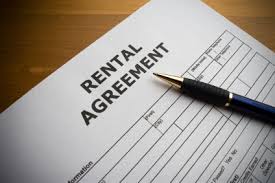 As all of us renters know, a security deposit is part of the lease, where landlords add one to three months of rent to the first payment to ensure that, if any damage is done to the property, they will be compensated. This is a completely legal and normal transaction, and it is highly unusual for a landlord not to have any security deposit. Once you move out, you get the security deposit back if the property has not sustained any notable damage.
As simple as security deposits seem, when put into practice, tons of issues arise between landlords and tenants. As a tenant, it behooves you to know how to handle all the ins-and-outs of security deposits, so if any issues come up, you know exactly how the process is supposed to work in theory. The
Know the Terms of Your Lease
Every lease will specifically state information regarding the security deposit. When you sign your lease make sure that you read over this part (although you really should read the whole lease) and make note of the data held in this passage. It will help to know the exact conditions of your security deposit, so that your landlord does not surprise you with anything.
Discuss the Transaction with Your Landlord Before Moving Out
Taking the time to discuss the security deposit before signing the lease and a couple of months before moving out can make a difference. Just taking the time to communicate with someone will let you know their exact expectations of the tenant. Keep in mind, this may not be as viable of an option for landlords who manage tons of properties.
Also, Send a Written Notice
More than 30 days before you move out send a written notice to alert the landlord of your intentions to leave. If you do not do this, the landlord may in some cases have the right to charge you for the time it takes to fill your old space. When this happens, you might as well say goodbye to that security deposit.
Know Your Rights
Every state has different laws regarding tenants’ rights. Research exactly what is allowed and not allowed in your state. If there are laws to protect you from abuse by landlords, you might as well take these to your advantage. Not to mention, if any conflict does come up it never hurts to let a landlord know that you are specifically aware of your rights, so that they don’t think they are taking advantage of some oblivious buffoon.
 Expect your Landlord to Charge for Certain Expenses
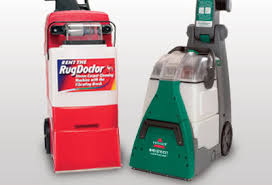
Landlords will often charge for things like carpet cleaning, house cleaning, and other miscellaneous charges. You can inquire about these potential charges and ask how to avoid them. A common one that is charged for is carpet cleaning. It is much cheaper to clean the carpet yourself by renting a carpet cleaner than to have the landlord charge you for it.
Take Care of Damages
Spend your final month in the house doing any necessary repairs after you and your landlord have assessed the damages. In some cases, this may require a landlord to send experts to the property. While you should hire a professional for major repairs, you can do simpler solutions yourself. These fixes could involve filling in gaps and repainting a space in its original shade.
Final Inspection
Conduct a final examination with your landlord, if you can. Verify that all repairs have been made by going through each room. Before leaving, make sure your landlord is happy with everything and has given their approval for each room.
This is a terrific opportunity to hand off the keys to the house and express gratitude. Additionally, this is the ideal moment to inquire about the timing of your FULL security deposit refund.
Let The Landlord Know Your Forwarding Address
If a landlord does not know your forwarding address, they cannot send you a security deposit. In some states, if they do not know where to find you, they can actually keep the security deposit. Be sure to have a forwarding address or an arrangement to have the landlord pick up the security deposit.
Know You Won’t Get the Money Back Before You Move Out
Rarely will landlords agree to refund your security deposit before you move out. Obviously, they cannot inspect your room thoroughly with all your items in it. Do not plan to have the security deposit back right away to help you pay for your next place.
Do Not Leave Anything in Your Apartment
Any items you leave behind that the landlord must pay to transport or dispose of could result in a deduction from your security deposit. This is probably also covered in your lease agreement. If you need to do something with the furniture, make sure to get rid of it, carry it with you, sell it, or seek local storage rates.
If you leave only one or two boxes behind, you’ll probably have to go back and get them, or your landlord might throw them out. As a general rule, anything that costs the landlord money will probably be deducted from your security deposit.
Take Pictures
This job needs to be done both before and after relocation. No real estate is offered in perfect condition. Nowadays, most people have cell phones or cameras at their disposal. The easiest way to document any prior property damage is with photos and videos.
Send any images and videos to your landlord through email. This serves as proof and documentation for your records. Avoid being forced to foot the payment for damage that was already done.
The Landlord Has a Deadline to Get Your Security Deposit Back
The time a landlord has to return the security deposit varies by state, but it usually ranges from 2 to 3 weeks. If you do not receive the security deposit by this deadline, contact your landlord. Before you move out, it can be a good idea to ask around about when you should expect the security deposit to help ease your mind.
Storage Units In Your City
Storage Near You



Leave a Comment