
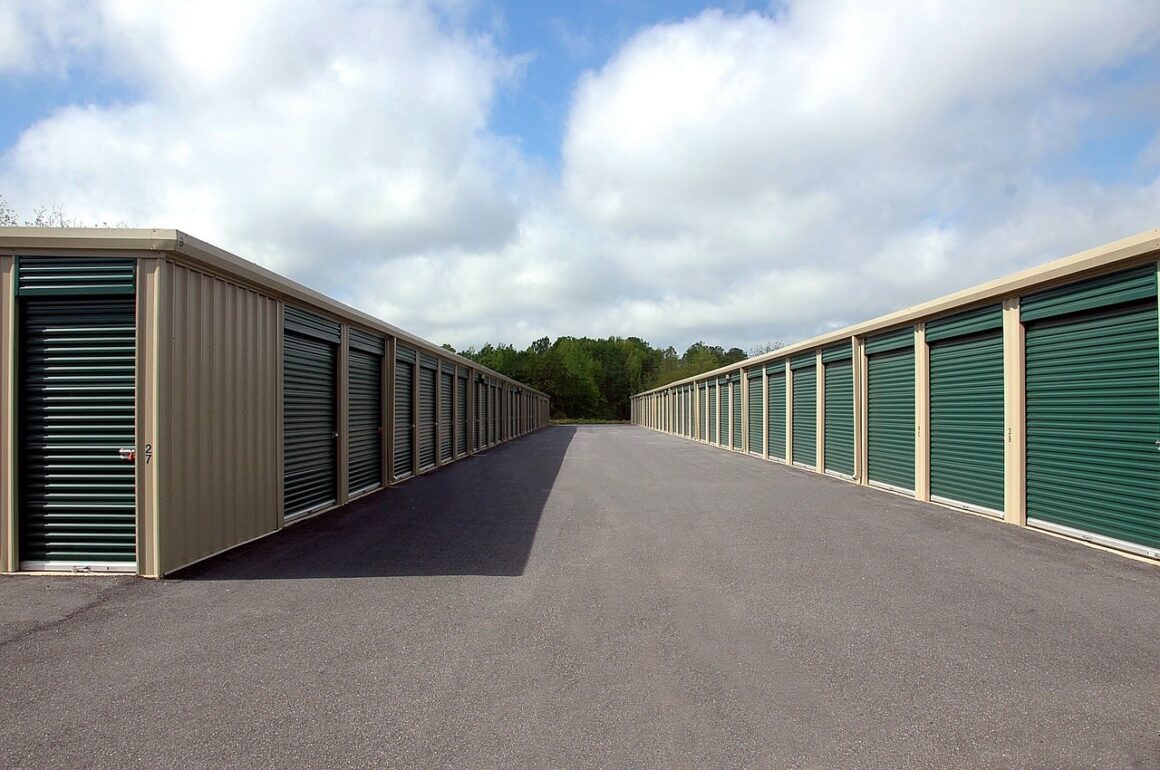
Storage units are incredibly useful, especially for individuals moving. The convenience of having extra space to store your belongings safely can’t be overstated. In booming real estate markets, renting a storage unit can be a cost-effective alternative to upsizing your home just for extra storage space. Having access to a self-storage unit can truly solve your moving problems, especially when you are downgrading your living conditions from a house to a small apartment and selling your furniture and other items is not an option.
Once you understand the benefits of using storage units, the next step is to sort through the many options available. But before you grab the first unit you see, there are a few key details to consider. Choosing the correct type of storage and understanding the security measures in place can save you money and help protect your belongings. This guide will walk you through the entire rental process so you can find a storage unit that offers both good value and strong protection.
The Rising Trend of Storage Units
The booming interest in storage units transcends mere fashion; it mirrors our changing ways of life. Whether you’re an adventure-seeking millennial or a baby boomer looking to simplify, storage units offer a versatile solution for a range of lifestyle requirements. Data from the industry shows a steadfast annual growth rate of 7.7% since 2012. It’s not just an industry; it’s a facilitator of diverse lifestyles.
So, what’s fueling this surge? It’s more than just the need for extra space; it’s about the autonomy and mastery it affords. In an era where minimalism intersects with consumerism, storage units serve as the perfect compromise. They provide the luxury of additional room without the tether of full ownership, empowering you to live an uncluttered life while still keeping what’s important to you. Additionally, today’s storage facilities have significantly raised their standards, featuring climate-controlled units, advanced security measures, and even bespoke concierge services.
Whether you’re storing winter clothes, cherished collectibles, or a wine collection, you’re doing more than making room. You’re protecting what matters to you. Now that remote work is more common, a storage unit can also serve as your personal storage space or a small workspace. People are using storage in more ways than ever. Storage units are no longer just a trend. They’re now part of everyday life.
Key Considerations Before Renting
While storage units work well for short-term moves, there are a few things you should know before storing your items. Before renting a storage unit, check what insurance options the facility provides to protect your belongings from unexpected damage or loss. Start by researching a few storage companies before deciding. This helps make sure the company can meet all your needs.
For example, you might find a storage facility with great rates and plenty of space, but is it well secured with modern security systems? Do they have security staff on-site? These are the kinds of questions to ask well before you commit. If you’re in the military, look for storage options designed for service members. They often include stronger security and flexible terms, which help if you’re deployed overseas.
Even as you tour the facility, ask about the durability of the locks that are used to secure the door of your unit. Additionally, be aware that most storage unit facilities have their own terms and policies that you must adhere to regarding the storage and removal of your items.
Understanding Rental Storage Unit Sizes
So, you’ve done your homework on storage facilities, checked the security, and even grabbed a discount. But there’s still an important decision ahead: choosing the right storage unit size. It’s like buying shoes. If they’re too small, you’re cramped. If they’re too big, you’re wasting space. Let’s break it down so you can find the right fit.
First, let’s discuss the most common sizes you’ll encounter. Picture this: a 5×5 unit is roughly the size of a small closet, ideal for storing seasonal items or a few boxes. A 10×10 unit? Think of it as a one-bedroom apartment sans the kitchen, perfect for those downsizing or in-between moves. And then there’s the 10×20 unit, a veritable garage where you can even store a car! But here’s the kicker: always consider the height of the unit, not just the floor space. Some units offer vertical space that could save you a bundle.
Now, you’re probably wondering, “How do I choose?” Well, it’s not just about square footage; it’s about planning. Make an inventory list of items you intend to store. Do you have bulky furniture? Maybe you need that 10×20 unit. Just storing holiday decorations? A 5×5 should suffice. But don’t just take my word for it. Many storage facilities offer virtual calculators or in-person consultations to help you make an informed decision. And remember, it’s not just about fitting your stuff in; it’s about accessing it easily whenever you need to.
Storage Insurance
The Hidden Risks and the Safety Net You Didn’t Know You Needed
You’ve meticulously packed your belongings and chosen a storage unit with top-notch security features. But have you considered what happens if a natural disaster strikes or if your items are stolen? Most people assume their homeowners’ or renters’ insurance will cover them. But here’s the twist: These policies often have limitations when it comes to off-premises coverage. Homeowners’ insurance may cap off-premises items at just 10% of your dwelling coverage amount. Intrigued? Let’s unravel this overlooked aspect of safeguarding your valuables.
Types of Insurance and Why You Can’t Afford to Skip Them
- Standard Homeowners or Renters Insurance: Although your existing policy may offer some protection, the coverage is often limited. For instance, it might not cover water damage, earthquakes, or neglect. Check your policy to see what types of risks may be covered.
- Stand-Alone Storage Unit Insurance: This is where the game changes. Stand-alone policies can provide extended coverage not found in your homeowners or business insurance. For example, Orange Door Storage Insurance policies cover damage from vermin and even water damage such as flooding.
So, what’s the takeaway? If your storage unit is packed with antiques, jewelry, or other valuables, you may want to consider a specialized policy or add-on coverage like a scheduled personal property endorsement. This ensures your prized possessions are insured for their full value. Now, armed with this knowledge, you’re not just storing; you’re storing smart.
Financial Aspects
Storage providers may offer discounts, which can be noted online or inquired about by calling to see if any promotions or discounts are currently available for storage spaces. Some providers will match prices. Deals may be offered when a storage facility’s vacancies exceed the usual number.
Find out the company’s policy on early termination in case you need it. The last thing you want is to have to pay a lot of money in storage and an additional large fee should you decide to terminate early. Once you’ve read all the fine print, it’s time to retrieve your storage unit and begin packing your items away. Even before moving things in, make a list of your items and make sure that your items are in keeping with the storage unit facility’s policies.
Climate-Controlled Units: Do You Need One
Ever wondered why your grandmother’s antique wooden table cracked after a few months in storage? Or why your prized wine collection turned sour? The culprit might be the lack of climate control in your storage unit. Climate-controlled units maintain a consistent temperature and humidity level, safeguarding sensitive items from extreme conditions. If you’re storing antiques, electronics, musical instruments, or any items sensitive to temperature and humidity, this is your go-to option.
Now, you might be thinking, “Do I really need this?” Well, let’s unravel that mystery. Imagine you’re storing important business documents. A standard unit might leave them yellowed and brittle, but a climate-controlled unit preserves them like new. Or consider your expensive leather furniture; in a regular unit, it could warp or mold, but climate control keeps it in showroom condition. So, before you rent, weigh the value of your items against the slightly higher cost of a climate-controlled unit. It’s not just about storage; it’s about preserving the quality of your belongings for the long haul.
Hidden Costs to Watch Out For: Transparency in Pricing
When you’re considering renting a storage unit, the price tag you initially see might not be the final amount you pay. Hidden costs can sneak up on you, turning what seemed like a good deal into an expensive endeavor. These are some common hidden fees and how you can avoid them.
1. Security Deposit
Many storage facilities require a security deposit upfront, which is often refundable. However, the conditions for refunding can be stringent, so read the fine print carefully.
2. Administrative Fees
Some storage companies charge a one-time administrative fee for setting up your account. This is over and above the rental cost.
3. Insurance Costs
While some facilities include insurance in the rental price, others don’t. You might need to purchase additional insurance, which can add to the overall cost.
4. Late Payment Fees
If you miss a payment, you’ll likely get charged a late fee. Late fees can add up fast, so it’s important to stay on top of your payment schedule. Most storage facilities let you pay and manage your account online.
5. Access Fees
Some facilities charge you for accessing your storage unit outside of regular business hours. If 24/7 access is essential for you, look for a facility that offers it without extra charges.
6. Climate Control Fees
If you’re storing items that require a specific temperature or humidity level, you might need a climate-controlled unit, which usually costs more.
7. Early Termination Fees
Be aware of the company’s policy regarding early contract termination. Otherwise, you may incur a substantial fee for terminating your contract early.
The Final Reveal: It Adds Up
So, what’s the bottom line? These hidden costs can inflate your initial estimate by 30% to 40%. That’s not pocket change. The key takeaway? Always read the fine print and ask the right questions. Your wallet will thank you.
Security Measures: Beyond Cameras and Guards
In safeguarding your prized possessions, traditional methods like surveillance cameras and security personnel barely scratch the surface. Have you ever thought about stepping into the world of biometric access? Picture this: You approach your storage locker and with a simple fingerprint or retina scan, the door swings open. This doesn’t just add a rock-solid layer of protection; it makes unauthorized entry almost unthinkable. Many storage facilities offer insurance options that can cover theft, fire, or water damage.
Biometric technology is no longer science fiction. Many modern facilities now use fingerprint and facial recognition as part of their security systems. These tools rely on smart algorithms to confirm that the person accessing the space is the rightful owner. When you’re looking for a new storage facility, ask if they have biometric security. This isn’t just about peace of mind. It’s about using reliable technology to keep your valuable items safe.
Long-Term vs Short-Term Rentals
So, you’re on the brink of a decision, teetering between long-term and short-term storage rentals. Each has its own allure, but which one aligns with your needs? Let’s unravel this enigma.
Long-Term Rentals: Choosing a long-term rental often brings financial benefits, such as lower rates. It’s a good option for people who need long-term storage, such as businesses with extra inventory or families storing valuables. Still, you should be cautious. Long-term contracts often include strict early cancellation fees. You could end up stuck paying for storage you no longer need.
Short-Term Rentals: On the other hand, short-term rentals offer the flexibility of choice. Ideal for transitional phases like moving or seasonal storage, these contracts usually run month-to-month. You can pack up and leave without a financial hangover. But hold on, there’s a catch. These benefits often come at a premium price.
So, what’s the verdict? If you’re looking for financial ease and have a long-term commitment, go long. But if your needs are as changing as the tides, a short-term rental is your ally. The choice is yours, but choose wisely; your peace of mind depends on it.
The Psychology of Storage: Avoiding the Storage Trap
Understanding the psychology behind this behavior helps explain why people keep items in storage longer than necessary, which leads to additional costs. You might not realize it, but understanding this can help you save money and reduce stress. The Endowment Effect is a behavioral economics idea that says people often overvalue things just because they own them.
This emotional bond complicates the process of letting go, perpetuating extended storage periods. Add to this the Sunk Cost Fallacy, the human tendency to stick with a course of action due to past investments like time and money, and you’ve created a perfect storm for incurring extra storage costs. Different states have varying laws about storage unit rentals, including auction rules if rent is not paid.
Here’s your exit strategy: First, objectively evaluate the usefulness of each possession. If something hasn’t seen the light of day for over a year, it’s time to either toss it or donate it. Next, weigh the cumulative storage expenses against the real-world value of the items you’re keeping. You may discover that parting ways with these items by selling or donating them could be financially advantageous in the long run. Incorporate a regular “check-in” system every few months to reassess the need for your stored belongings. With this nuanced understanding of psychological factors and by taking decisive actions, you can sidestep the pitfalls of unnecessary storage, thereby simplifying your life and fattening your wallet.
The Legality of Living in a Self-Storage Facility
You might be between homes or facing financial struggles, and living in a self-storage unit could seem like an option. But before you sign a rental agreement, you need to understand the legal consequences. In most parts of the U.S., it’s illegal to live in a storage unit. This is a serious violation. It can get you removed from the facility and may even lead to criminal charges. Several factors explain why, including zoning rules and safety standards like ventilation, sanitation, and emergency exits that storage units don’t meet.
Now, let’s dissect the reasoning behind these regulations. Storage units aren’t designed to function as living spaces; they lack basic amenities like smoke detectors, carbon monoxide alarms, and appropriate bathroom facilities. Occupying such a space not only poses significant health hazards but also breaches the terms of most storage unit contracts. If caught, the consequences are swift: immediate eviction, forfeiture of your stored items, and potential legal ramifications.
So, before this idea becomes your desperate plan B, fully consider the significant risks involved. A safer alternative would be to explore legitimate temporary housing or consult social services. Believe us, the drawbacks significantly overshadow any perceived advantages.
Storage Unit Auctions: The Hidden World
Suppose you’ve fallen behind on your storage unit rent. What happens to your stuff? It doesn’t simply gather dust in a locked room; it becomes fair game in a storage unit auction. These auctions are a legitimate means for self-storage facilities to recover lost revenue. Keep in mind, however, that the rules for these auctions vary by state in the U.S. Usually, after a designated period of missed payments, the facility must announce the auction through a public notice, commonly in local newspapers. Only then can the bidding commence.
So, you want to take part in an auction instead of running one? There are a few important details you should know. Most of these auctions are blind, meaning you can’t inspect the items before bidding.
It’s risky, but you can make money if you plan carefully. Do your homework. Review the terms and conditions, and set a clear budget for your bids.
Experienced bidders often arrive equipped with a flashlight, attempting to spot valuable items from outside the unit. Bear in mind, that the thrill of uncovering hidden gems is enticing, but you’re also inheriting the obligation to manage someone else’s forsaken possessions, which may include sensitive documents you’re legally required to return.
Packing and Storing Tips
As you take your items to the storage facility, ensure they are all labeled and neatly stacked, but without creating a tower of them. Also, avoid leaving your items in storage for longer than necessary. That would just be a waste of your hard-earned money. It may be better if you were to either move into a house where space is at a premium or finally make a decision to give up your items, either through a tag sale or donating them to a family in need.
For those who prefer a hands-off approach, full-service storage companies provide added conveniences like item pickup, cataloging, and even delivery upon request.
Facts and Statistics
- Surging Demand: The self-storage market recorded a yearly growth rate of 7.7% from 2012 to 2020, highlighting an escalating consumer need for storage solutions.
- High Capacity Usage: In 2021, the average occupancy rate for storage units in the U.S. hit a remarkable 92%.
- Climate Control as a Must-Have: About half of all individuals using self-storage insist on having a unit with climate control features.
- Selective Insurance Choices: A mere 30% of renters elect to insure their items in storage, exposing a significant portion to risk.
- Variable Pricing Trends: The cost to rent a storage unit can vary by a dramatic 50%, with prices reaching their peak in the summer. The average cost of a storage unit in the U.S. is around $60-$180 per month.
Did You Know?
- Biometric Security Is Emerging: In an age where security is paramount, some high-end storage facilities are implementing biometric security measures like fingerprint and retina scans. This adds an extra layer of security that goes beyond traditional locks and keys.
- Smart Units Are on the Rise: The Internet of Things (IoT) is making its way into storage units. These smart units allow you to monitor conditions like temperature and humidity in real-time through a mobile app, offering unprecedented control over your stored items.
- Renting vs. Leasing: While most people use these terms interchangeably, some facilities offer leasing options that can lock in your rate for an extended period, protecting you from sudden price hikes.
- Specialized Wine Storage: Believe it or not, there are storage units specifically designed for wine collectors. These units offer optimal conditions for wine storage, including controlled temperature, humidity, and even vibration.
Leasing a storage unit means more than just finding a place for your belongings. It’s about making smart choices that match your lifestyle and needs. This guide helps you understand what matters when choosing a storage unit. Whether you move often or want to make your space easier to manage, this guide gives you the knowledge to make smart choices.
Storage Units Near You
Find Moving Labor In Your City




Leave a Comment