
There are about one million things that we need to think about as moving day approaches; food is usually the last one that crosses people’s minds- unless it involves binge-eating ice cream to relieve stress. Managing food properly throughout the entire moving process can save us a lot of time and money.
Before moving, what should you do with your food? Throwing away food that is completely safe for ingestion is wrong. But packing and moving all of your food supplies, including frozen and refrigerated foods, canned foods, perishables, and non-perishables, is likewise worthless, at least in most relocation situations.
Depending on how far you’ll be traveling, you should decide whether it’s a good idea to bring food from your refrigerator to your new house. You should have no trouble moving the groceries if you are moving across town. But if your journey will last several hours or more, it could be more difficult to keep things cool.
It might be a good idea to transport your food first, in coolers or insulated containers, if your travel is only a short distance.
Here is a basic guide to making the most of your food situation during a move.
Figure Out What You Have
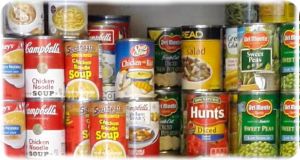 It is a good idea to go through your pantry, freezer, fridge, and cabinets to figure out what sort of food you already have. Even make a list of all the items so you can reference all the food already in the house.
List What You Want to Use Up
Make a list of all the food that you definitely want to use up before the move. Post the list on the fridge and scratch off items as you go. You can even make it into a competition with the kids, saying that whoever finishes the most items on the list gets a prize.
Plan Menus
Keeping in mind all the food you have and what you want to use up, start planning meals that use these ingredients. Try to keep the meals simple to make so you don’t end up spending a bunch of time shopping, cooking, and washing the dishes. Slow-cooker recipes are a great way to use up a bunch of ingredients with minimal effort.
Take Lunch to Work/School
 If you have a lot of food to use up, consider bringing lunches to school or work. This will help you make sure that every time you eat, you are working towards your goal of clearing out the food in your house.
Shop Accordingly
Try not to buy anything new or in bulk, so that you don’t end up having to move or throw away a bunch of food come moving day. Whenever you pick up items at the grocery store, consider if you really need the item or if it is just an impulse buy.
Consider a Going Away Party
If you have a bunch of food in stock, consider throwing a going away party before you go. This will help decrease the amount of food you need to move, and you can say goodbye to people if you are actually moving far away.
Give Away Food to Friends, Family, or Food Banks
Food is expensive! Just about anyone wouldn’t mind if you brought them a bag full of groceries. If none of your friends or family want these items, consider donating them to a food bank.
You may either arrange a dinner party and prepare food for everyone who shows up, or ask your friends if they would like any of the food you cannot consume. In any case, you’ll be able to finish the food without wasting it.
Don’t Default to Dine Out/Carry Out to Often Before a Move
It can be tempting to eat out a lot before you move to reduce the work you need to do, but the bill can add up really quickly. Not to mention, when you first move into your new home, you’ll probably want to eat out and do a lot of carryout, too. Since we are often more tired after a move than before, it saves the luxury of getting carried out until after moving day.
 Search New Area for Living Social and Groupon Deals on Carrying Out/Take Out
To stay on a budget check our deals on eating out on Living Social and Groupon to help feed you when you first arrive at your new home. This will also help you explore the new area that you just moved to.
Keep Healthy Snacks Around
Moving is a time when we can let a lot of our healthy habits slip by the wayside. Try to keep healthy snacks like nuts, fruit, granola, and yogurt on hand to help maintain your overall health during a move.
Safely Handling Food Items Before Moving
When preparing for a move, pay proper attention to your food items. Start by assessing your pantry and refrigerator for any perishable items that need to be consumed before the move. Consider incorporating these ingredients into your meals to reduce waste and make your transition smoother. Additionally, check the expiration dates of your canned goods and other non-perishable items. Discard any expired food to avoid carrying unnecessary clutter to your new home.
Use Appropriate Packing Materials
When packing food for a move, using the right materials is crucial. Invest in sturdy boxes or plastic containers that can withstand the weight and provide proper insulation.
For perishable items, such as dairy products or frozen foods, consider using a cooler with ice packs or dry ice to maintain their temperature. Wrap individual items in plastic wrap or sealable bags to prevent leaks and cross-contamination.
Packing Fragile Food Items and Glass Bottles
For fragile food items and glass bottles, taking extra precautions during packing is crucial. Begin by wrapping each glass bottle individually in bubble wrap or packing paper. This will help protect them from potential breakage during the move. Place these items in sturdy boxes, ensuring they fit snugly and are properly cushioned with packing material. Label the boxes as “Fragile” to alert movers and yourself to handle them with care.
Research Local Law and Revaluations
If you’re moving across state lines or to another country, familiarize yourself with any regulations or restrictions on transporting food. Some areas may have restrictions on certain types of produce, dairy products, or meat. Check with local authorities or consult a professional moving company for guidance.
Consider How Much Room You’ll Have in Your New Pantry
If you are planning to move food from your old pantry to your new pantry, make sure you have enough room in your new pantry. You can also start thinking about which items you may want to stock up on after moving day, when you move into your new home.
Utilize these ideas to decrease food waste. If you have to relocate with food, pack it carefully and ensure it gets to your new house first, especially if it’s perishable.
To summarize, moving food takes careful preparation and organization. You can ensure that your food remains fresh, safe, and enjoyable throughout the moving process by taking inventory, using appropriate packing materials, labeling and organizing, timing your shopping wisely, researching local regulations, transporting food safely, setting up your kitchen promptly, and exploring local food options. Good appetite and safe travels!
Storage Units In Your City
Storage Companies Near You

Leave a Comment