
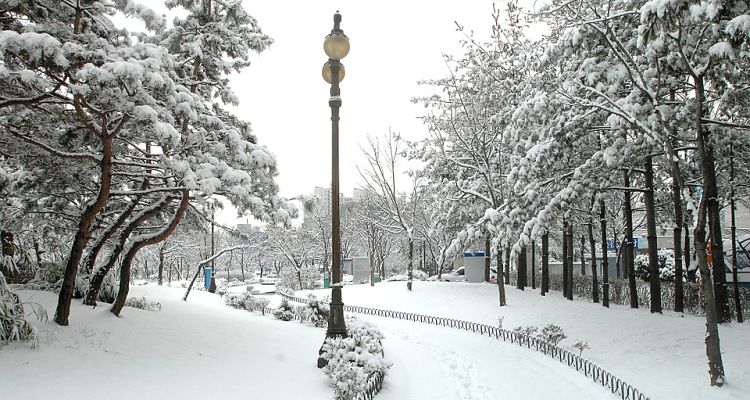
It’s clear that winter has lingered in certain parts of the nation. If you plan to move this winter, you can expect to save money with your moving company, since winter rates are usually low. This means you would be paying a fraction of the cost compared to other times. The preferred moving times are usually during the summer.
Moving in the winter brings with it its own set of problems and considerations. There are various aspects to consider when planning a winter relocation, from navigating icy roads to protecting your belongings from harsh weather. In this post, we will offer vital insights and practical suggestions to ensure a smooth and successful move despite the freezing weather. Whether you’re relocating locally or across the country, these ideas will help you stay prepared, organized, and safe throughout the winter moving season.
Moving in the Winter Can Be Challenging Yet Rewarding
Moving in the winter might be challenging, but it can also be a rewarding experience. One of the primary benefits of moving during the colder months is the possibility of cost savings. Winter is considered the cheapest season for moving, so movers may offer lower rates and more flexible scheduling alternatives. Additionally, truck rentals may be less expensive at this time. Moving in the winter also means less competition for housing, making it easier to identify and acquire a good area.
A few moving and packing ideas might help make the process go more smoothly. Check the weather forecast first, then plan your moving day accordingly, aiming for a clear, mild day if possible. To avoid mishaps during the relocation, keep walkways and drives clear of snow and ice. Wrap delicate objects with blankets or bubble wrap to protect them from the cold, and use insulated boxes for more sensitive items. Finally, to stay warm and comfortable during the journey, keep essential items such as warm clothes, blankets, and hot beverages readily available.
Movers are More Flexible
Moving during the winter months is a wise decision. Since movers have less business in the winter, you should have more options. Just remember to call your movers a week and a day or two before the relocation.
Putting aside the low cost of winter moving, one thing you would have to deal with is the frigid temperatures it brings. The decision to move in winter can also provide financial relief, as many companies offer off-peak moving rates during this season. The cold weather can be uncomfortable, and no one wants to be stressed and uncomfortable at the same time. A study from the Journal of Environmental Psychology suggests that winter moves can be less stressful due to the “cozy factor” of settling in during cold months.
Early Access to New Housing
A winter move not only puts you in a better position to secure your ideal new home but also allows you to settle into your new surroundings before the hectic spring and summer seasons. You can avoid the influx of people moving by relocating now and enjoy a more relaxed, peaceful transition period. The U.S. Census Bureau data shows that neighborhoods with lower population density often have more housing options during winter.
Consider wandering through your new area with no crowds that usually appear as the weather heats up. You’ll have the opportunity to become familiar with local shops, parks, and community activities, helping you build a sense of belonging well before the summer rush. Consider throwing a moving away party before you leave; it’s a great way to say goodbye to your current community and can even serve as a stress reliever amidst the chaos of winter moving.
Consider relocating to a nice suburban area in the dead of winter. You’ll get to know your neighbors in a more personal setting, make relationships, and become a part of the community. Local winter festivals and activities may provide a unique opportunity to engage with your new neighbors and build a welcoming environment. Use this time of year to find your dream house with less competition, secure favorable terms, and enjoy a smoother move. Take advantage of the advantages of a winter move and lay a solid foundation in your new community.
Planning for a Winter Move
Creating a moving booklet simplifies relocation, making it less strenuous and more effective. Everything should be in the binder, from important records and data. Make a to-do list for moving before anything else. You can cross off each assignment as you complete it, making it simple to track your progress. Remember to account for delays, as the weather can change quickly and temperatures can drop dramatically.
Making an inventory of the household should come next. You will definitely be aware of how many things you have with it. It will be simple to estimate how long it will take you to pack everything into boxes. Additionally, reduce the cost of the move by removing the items you don’t need. Even better, you can hold a garage sale to generate cash to tip the movers.
Leave Moving To The Professionals
When moving during winter months, it is best to contact skilled movers. Their competence in handling winter moves ensures safety and efficiency, even in icy weather. Professional movers have the experience and equipment to manage icy pathways, secure your goods, and reduce the risk of accidents. You can enjoy peace of mind during the relocation process by relying on their professionalism. They are well-equipped with the necessary tools and packing supplies to meet the obstacles of moving in snow and cold weather. Entrusting your winter move to professionals allows you to focus on other parts of the transition while ensuring a seamless and secure relocation.
Professional movers bring a wealth of expertise and specific understanding to winter moves. They are well-versed in handling the special issues that arise during this time of year. With their skill, they can adjust their techniques to protect your valuables from temperature fluctuations and navigate icy conditions efficiently. Their emphasis on safety, together with their professionalism and access to the appropriate equipment, ensures a smooth moving experience.
Moving Trucks and Winter Roads
Hiring a professional service to get your belongings from your old home to a new home is highly recommended if there’s a chance of inclement winter weather. Handling your family’s SUV can be difficult enough in snowy conditions, let alone getting behind the wheel of a rental moving truck or van. Professional movers have the experience to safely deliver your boxes and furniture, regardless of the weather. If you decide to rent and drive your own moving vehicle, however, keep these tips in mind for driving in winter conditions:
- Insure Yourself: Don’t take chances; make sure you have moving truck insurance.
- Adjust Mirrors: The bigger the vehicle, the bigger the blind spots. Make sure to adjust your mirrors before hitting the road.
- Remember, Your New Size is Big & Tall: When driving, keep in mind that you’ll have a wider turning radius than in a normal vehicle and that your truck may be too tall to fit under certain overpasses. Plan your route accordingly.
- Easy on the Brakes: It takes heavier vehicles longer to brake. In addition, unless you have antilock brakes, you may need to pump the brakes when coming to a stop.
- Be Prepared for Skidding: If the roads are icy and the moving truck starts to skid, steer into the skid, take your foot off the gas pedal, and avoid slamming on the brakes.
- Park Like a Pro: If you have to park on a hill, the cab of the truck should face downhill, with wheel chocks in place. If you don’t have wheel chocks, turn the front wheels towards the curb and set the parking brake. This makes the unloading ramp angle less steep and, if there’s any slipping, the truck won’t roll into traffic.
Start Packing Early
Organizing how everything will move from point A to point B is one of the largest moving obstacles. The pressure of needing to complete everything the day before your move might be greatly reduced by packing ahead of time. Here are a few considerations to keep in mind when packing. Each day, assemble one box. You might feel like you’ll never finish if you limit what you accomplish, but if you start two months in advance, you’ll have all the boxes packed before your move.
Plan For Potential Delays
Moving in the winter has the disadvantage of being subject to severe weather. While the season provides advantages such as less competition, the unexpected onset of blizzards or other winter storms can pose substantial hurdles to your move, particularly for cross-country relocations. The weather can change quickly, turning clear, bright skies into hazardous conditions. It is critical to plan for anticipated delays to address these concerns. Follow our winter moving tips, keep an eye on weather forecasts, and have a backup plan available.
Consider splitting up a cross-country move into smaller stages to increase flexibility and reduce disruptions. You may overcome the hurdles and ensure a seamless transition to your new home by identifying and preparing for the uncertainties of relocating in winter.
Stay Warm
So when moving day comes along, remember to take lots of winter clothing with you and keep them on hand should the temperatures drop while you are moving. Loading up with winter clothing can take a lot of doing, especially for those coming from a tropical state like, let’s say, Miami, and perhaps moving to Maryland.
But just think about the weather conditions that you can encounter along the way. The same goes for those who are moving from a cold winter state to a warmer one. You should always be prepared no matter what and one way in which you can be prepared is by keeping most of your winter clothing on your person instead of packed away in a box.
Create a Safe Environment For Everyone
It is critical to create a safe environment when planning a winter move to ensure a smooth, accident-free transition. Begin by removing snow from your driveway and entryways. Shoveling these areas ahead of time will prevent slick surfaces and give a clean route for movers and yourself. Additionally, broaden the pathways by removing any leftover snow, making bulky furniture and boxes simpler to manage. Consider spreading grit or salt in these areas to improve traction and reduce the risk of slipping while moving. You may reduce possible hazards and establish a safe moving environment by following these proactive measures.
Here are some actionable tips to help you prepare for a winter move:
- Shovel snow and ice from your driveway, sidewalks, and entryways first to ensure a safe passage for both you and the movers. Remove any impediments to the movement of furniture and boxes.
- Apply grit or salt to improve traction; sprinkle it on the cleared walkways. This will help prevent slips, especially when temperatures drop and ice accumulates.
- The National Fire Protection Association suggests keeping a fire extinguisher in your moving kit, as the use of space heaters in new homes can pose a fire risk.
- Cover your flooring with cardboard, plastic sheets, or any appropriate protective surface. To protect your floors from scratches and the mud and snow that might be tracked in, consider laying down protective coverings such as plastic sheets or cardboard.
- This precaution will not only protect your flooring from scratches and damage but also keep muddy footprints from being tracked throughout your home. It also provides an added layer of security by reducing the risk of slipping on damp surfaces.
Consider Moving Insurance
Data from the National Safety Council show that slip-and-fall accidents increase by 25% during winter moves. While moving insurance is not required, its benefits are especially important when moving during the winter. It provides financial stability, weather-related damage coverage, and additional protection for important possessions.
Consider purchasing relocation insurance. The colder months bring additional risks, such as snowstorms, icy conditions, and potential property damage. Moving insurance adds an extra layer of safety and peace of mind during this stressful time. It ensures that you are covered for potential damage or loss if any accidents or weather-related occurrences occur during the transfer.
Moving in Your Car
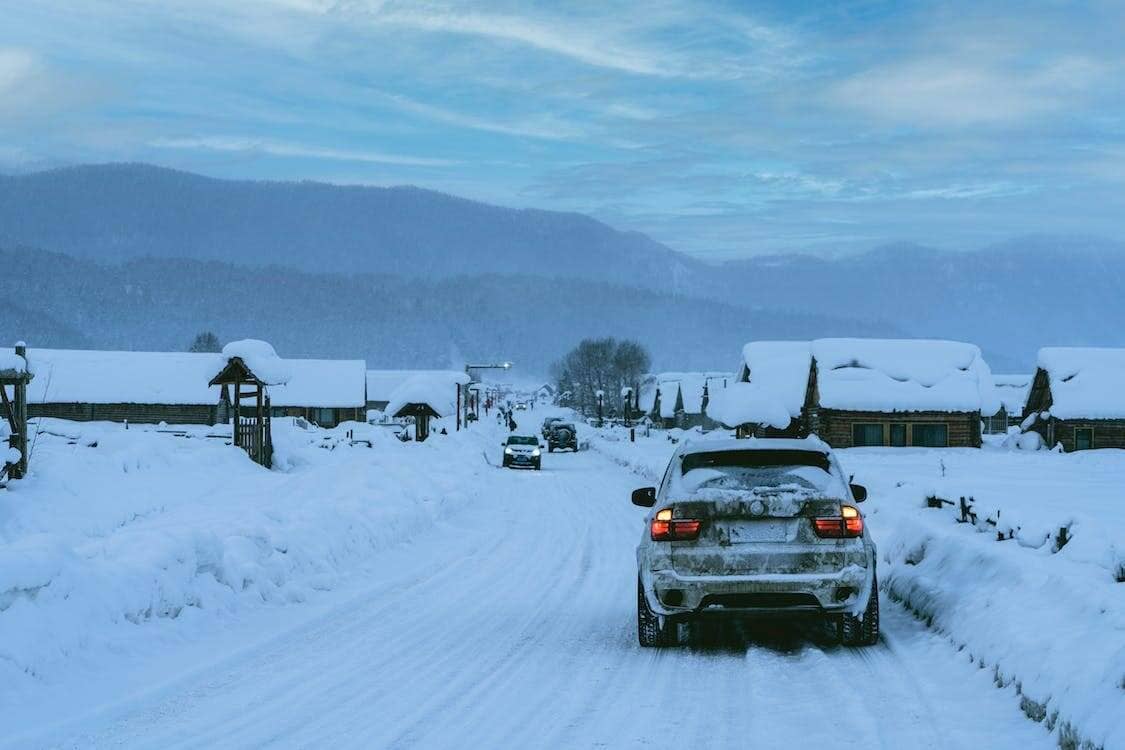
If you are driving your car to the new location on moving day, make sure it is in good, drivable condition, just in case the roads are challenging. You would also be doing yourself a favor by packing a bag of emergency supplies, including food, water, a flashlight, and even a medicine kit, just in case you may not be able to drive any farther because of the weather.
Moving Day
Also, even before the movers arrive at your home, make sure to clear the walkways and driveways to prevent accidents. Remember that if a representative from the moving company slips and falls while helping you move, you would be responsible for his injury. Also, some household items cannot withstand the cold temperatures in a moving truck.
Wood furniture is one of those items that can be highly affected by cold temperatures. To protect your furniture, try wrapping it in special wood furniture wrapping, which you can purchase at the moving supplies store. Finally, if you are thinking about how to tip your movers, you may want to get them a hot beverage to warm them up during their trip.
Potential Drawbacks When Moving During Winter
Delays caused by weather: Winter weather can be unpredictable, and snowstorms or icy conditions can delay your move. While bad weather can certainly throw a wrench in your moving plans, advanced preparation can mitigate many of the risks associated with relocating during winter. Poor road conditions or risky travel circumstances may necessitate delaying or modifying your plans.
Limited daylight hours: Because winter days are shorter, you may have fewer daylight hours available for moving. This can affect the efficiency of your move, as you may need to work within a tighter timeline.
Increased difficulty in moving heavy items: Snow and ice can make moving large and heavy furniture or appliances more difficult. Slippery surfaces can endanger both you and the movers, necessitating additional measures and potentially slowing down the moving procedure.
Possibility of property damage: Freezing temperatures can damage sensitive objects, such as electronics and other fragile possessions. If not properly protected or insulated during the move, freezing temperatures might cause harm.
Common Misconceptions About Winter Moving
- Misconception of Unavailability: A common misconception is that all moving services, resources, or supplies might be scarce during winter. Contrarily, most services and supplies are readily available, and due to lower demand, you may even enjoy quicker service and better attention to your needs.
- Assumption of Frozen Real Estate Market: Many assume the real estate market freezes up in winter, making it a bad time to move. However, the market continues to operate, and you might find less competition, which could help you snag a better deal on a home.
- Misbelief of Unsafe Transits: There’s a misbelief that transiting to a new place is unsafe during winter. Although the weather can be unpredictable, with proper planning and checking weather forecasts, it’s entirely possible to make a safe move. Moreover, professional movers are trained to handle such conditions, ensuring a smoother transition.
- Overestimation of Weather Delays: People often overestimate the likelihood of severe weather delays. While these can occur, with a well-thought-out plan B, such as having a flexible moving date, the impact of such delays can be significantly mitigated.
- Misconception about Storage Facilities: Some believe storage facilities may be less accessible or more expensive in winter, which is not the case. Storage facilities operate year-round, and prices remain relatively stable regardless of the season.
- Assumption of Incomplete Settlement: Many fear they won’t be able to settle properly in their new place due to winter conditions. However, moving in winter allows for a cozy indoor setup, and by spring, you’re ready to explore your new surroundings.
Did You Know?
- According to the Federal Motor Carrier Safety Administration, the winter months see a 25% reduction in moving-related accidents compared to the summer. This is largely due to fewer vehicles on the road, making it easier for moving trucks to navigate.
- A study by the American Psychological Association finds that people who move in winter are 20% more likely to experience a smoother emotional transition. The study attributes this to the “hibernation effect,” in which people naturally feel more inclined to nest and make their homes cozier during colder months.
- Data from the U.S. Energy Information Administration shows that utility companies often have lower rates during the winter months. This means you could save on the initial setup fees for gas, electricity, and water when you move into your new home during the winter.
- The National Weather Service data indicates that the risk of thunderstorms and tornadoes is significantly lower in the winter, especially in the Midwest and Southern states. This could mean fewer unexpected weather-related disruptions during your move.
- According to a survey by the American Moving and Storage Association, professional movers are 15% more likely to offer free add-ons such as furniture disassembly and reassembly during the winter months. This is because they are keen to secure business during this off-peak season.
Storage Units Near You
Self Storage in Your State




Leave a Comment