
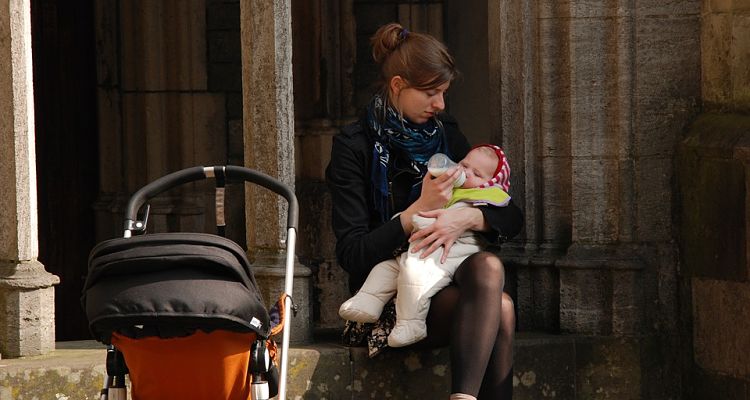
Moving to a new house is a beautiful experience for a family. However, with a baby, everything is much more complicated. Babies are very sensitive and have special needs that need to be addressed. Combining this fact with the physical demands of traveling, and disaster can be brewing. Because of this, families planning to move with a baby should know useful techniques to make the move smooth and joyful for everyone.
Talk to Your Pediatrician
Make an appointment with your baby’s current pediatrician before you leave. Ensure that they have had all necessary shots and routine examinations. By taking this action, you’ll have some time to settle in before another appointment is required. Consider locating a pediatrician in your new place before you move there to get a jump start.
Finding Reliable Childcare Services in the New Area
As you settle into your new home, it’s essential to establish reliable childcare services in the new area to ensure your baby’s well-being and provide you with the support you need. Begin by researching local daycare centers, preschools, or in-home childcare providers in your vicinity. Look for facilities that prioritize safety, provide a nurturing environment, and have qualified staff with proper certifications.
Read reviews and seek recommendations from other parents in the area to gauge the quality of care. Schedule visits to potential childcare providers, where you can observe their facilities, ask questions, and assess if they align with your preferences and values.
Consider contacting local parenting groups or online communities for information and suggestions on reliable babysitters or nannies in your area. Personal referrals and word-of-mouth recommendations can often provide valuable insights into finding dependable, trustworthy people to care for your infant. Interview potential applicants thoroughly, checking their background, experience, and references. Trust your instincts and select someone who not only meets the requirements but also connects well with your child.
Plan Ahead
Most of what parents can do to make moving with a baby as easy as possible lies in advanced planning. Planning ahead of time eases parents’ worries and keeps the baby as comfortable as possible.
When packing things in the house, it is always best to pack the things in the baby’s room last. By doing this, parents maintain the baby’s routine, thereby minimizing the child’s tendency to be moody during the actual move. On the other hand, if the baby’s stuff is packed immediately, the abrupt and prolonged change in environment will definitely stress out the baby, making it more difficult for parents to move.
If driving to the destination, parents should map out the route beforehand. It is advisable to have an alternate route in case of road trouble. In line with this, hospitals or clinics along the way should also be noted for emergency purposes.
Planning the driving route also allows parents to mark their maps for stopovers, so they can feed or change the baby as frequently as possible. This is not only convenient for the baby but also for other family members.
When the travel is expected to last more than a day, parents should book a comfortable hotel in advance. By reserving a room for the night, they can be assured they will not have to waste time looking for accommodations with the baby and all their baggage in tow.
The night before moving, parents should make a checklist of the items they will take in the car, especially baby essentials. Such items include but are not limited to diapers, drinking bottles, formula milk, baby food, baby wipes, baby powder, extra clothing, some toys, and medications, if any. This checklist will prevent the family from running out of necessities and having to make an unscheduled stop. It will also give parents ready access to necessities for immediate use, instead of having to go through box after box just to locate an item.
Get Help
We strongly advise hiring daycare on the day of your move if you can. This will protect your infant from injury and may also save your own sanity. It’s all too easy to lose focus on a young child during a frantic move. Unfortunately, doing so might cause problems for your child—even if just for a moment. So, ask a friend, relative, or babysitter to watch them while you move for your baby’s sake and your own. You’ll be able to focus on all the moving duties at hand if extra hands are available to hold, feed, and play with the youngster.
Hire Movers
We firmly advocate hiring movers to handle all the heavy lifting on moving day if it’s within your budget. This will allow you to concentrate on your child rather than the difficult logistics of moving. So you can spend crucial time keeping your children safe and happy on moving day.
During the Move
The first thing parents should keep in mind during the move is to keep the baby calm. When in the car, a baby can become very irritable and moody, so it is best not to overcrowd the vehicle. If the family is large, parents should either use two cars or take a larger vehicle to ensure the baby’s comfort.
Although being in a car for a long time is a big change in the baby’s routine, parents should still opt to keep everything as normal as possible. If a baby is fed at a particular time, parents should make sure that this schedule is not broken. The same should be applied to the baby’s sleeping pattern. Abrupt changes in a routine are very stressful for a baby. This is why parents should not stray too far from what the baby is used to.
When the baby is still not comfortable traveling in the car, parents try other things to keep him entertained. Toys can calm the baby and keep them occupied. Playing children’s music can also help.
After Settling
After a family reaches their new house, the baby’s room should be set up first. It is recommended that the nursery be set up as in the former house. This will help the baby to adjust to the new house.
Recognize that your young child requires a lot of your time; therefore, it is totally normal to take a few days to unpack everything.
Baby-Proofing Your New Home
Moving to a new home is an exciting adventure, but it also means ensuring your little one’s safety in their new environment. Baby-proofing your new home is a crucial step to protecting your baby from potential hazards and creating a secure space for them to explore. Start by covering electrical outlets with safety plugs or outlet covers to prevent accidental shocks.
Secure cabinets and drawers with childproof locks to keep harmful substances and sharp objects out of reach. Installing safety gates at the top and bottom of the stairs can prevent falls, and securing heavy furniture to the walls helps prevent tipping. Remember to cover sharp furniture corners with corner guards and use window locks or safety devices to prevent accidents.
Creating a safe and friendly environment also involves considering other potential hazards in your new home. Be cautious of dangling cords from blinds or curtains, as they pose a strangulation risk. Either cut the cords or use cordless window coverings to eliminate this danger. Ensure that any heavy objects or unstable furniture are placed out of your baby’s reach. It’s also important to check for any exposed electrical wires and secure them safely. Keep small objects, such as coins or batteries, out of your baby’s reach to prevent choking hazards. Finally, make sure that your smoke detectors and carbon monoxide detectors are in working order.
Establishing a Familiar Sleeping Environment
Providing your infant with a familiar and comfortable sleeping environment is very important for their well-being and adjustment to their new home. Start by placing their crib or bassinet in a quiet, peaceful area of the house, away from noise and distractions. Continue to use the same bedding and sleep patterns that your infant was used to in their former sleeping arrangement. Comfort and security can be provided by familiar items such as a beloved blanket or stuffed animal. Maintain as much consistency as possible in your baby’s established sleep regimen, including consistent nap times and nighttime rituals.
If your baby is having trouble settling into their new sleep space, consider using white noise or soft music to create a soothing atmosphere. A sound machine or a simple fan can help mask unfamiliar sounds and provide calming background noise. Dim the lights in the room before going to bed to signify that it’s time to sleep. Keep in mind that it may take a few nights for your infant to adjust completely, so be patient and provide additional comfort and reassurance during this time.
Overall, moving with a baby can be one of two things: a fun, memorable moment or an experience not worth remembering. It is ultimately up to the parents what becomes of their own experience of moving with their baby.
Storage in Your State
Self Storage Near You




Leave a Comment